
The magic of being together
True, a mother and child form the very first team—not just for people, but for all living beings.
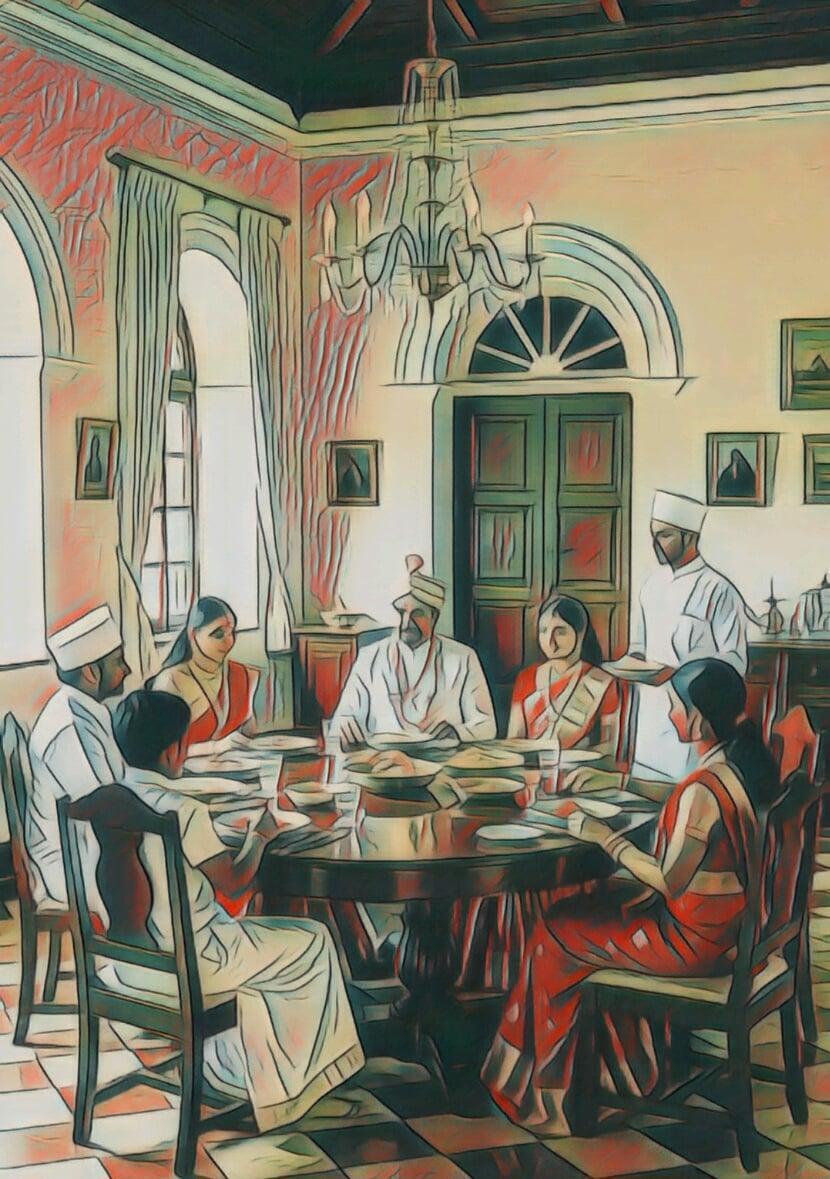
Murali's parents left home early each morning for school, taking their breakfast and lunch with them. Murali ate his breakfast by 7 a.m., just before heading to his own school. At that time, Hridya was still fast asleep. His grandparents ate later, after helping Hridya with her morning routines and feeding her. The only days the whole family could eat together were holidays. But even then, Murali was busy babysitting Hridya, playing with friends, doing homework, or reading books. When his parents and grandparents called him to join them for meals, he always said, "Don't wait for me!" He usually showed up late, when they were almost done or had already finished. They often reminded him how important it was to eat together, but he didn't take it seriously.
One day, during a morning walk, an interesting debate popped up among Grandpa's friends. The topic was the various types of teams people join throughout their lifetime. It started with the question: "What is the first team in anyone's life?" Grandpa's closest friend, Uncle Ahmed, said without a doubt, "Definitely, it's the family. No question about it." Murali's grandpa agreed, adding, "True, a mother and child form the very first team—not just for people, but for all living beings."
After a short discussion, everyone nodded in agreement.
"You know, the biggest strength of any team is knowing each other well and being ready to help one another. You'll find that in all successful teams," Uncle Ahmed continued.
"Yes, and it's the key to a happy family too," someone added.
"For that to happen, everyone—even the busiest person—should make time for family," another friend suggested.
"Absolutely! We all need to sit together, talk, and support each other. Eating together is especially important, I'd say," yet another person commented.
"I remember a story my grandma used to tell me when I was little," Auntie Manjula from the group began.
As usual, the story had a king. This king had three sons and three daughters. He was a wise and beloved ruler, admired by everyone in the kingdom. But the king was worried. His children quarrelled all the time and didn't seem to love one another. Noticing the king's concern, the Raja Guru—the king's chief advisor—asked what was wrong. The king explained about the fights among his children. The guru had witnessed it many times and had been waiting for the right moment to discuss it. Now was the time. He asked the king, "How often do you spend time with your whole family?"
"Only on special occasions," the king replied. "I know it's important, but you understand how busy a king's days can be."
"Your Majesty, your family is your closest kingdom," the guru said. "You should get support and inspiration from them first. To do that, you need to spend time together."
"But how?" the king asked.
"I suggest you all eat together," the guru proposed. "Sharing meals can create a lot of positive energy. It's proven! Let me review the daily schedules of you, the queen, the princes, and the princesses. I'll find a way for everyone to meet at the table twice a day."
"You have my permission," the king said right away.
The guru planned for the royal family to gather in the dining room for meals twice a day. At first, the princes and princesses even quarrelled at the table. However, as they continued to meet and sit together, the fights became less intense and occurred less frequently. Soon, they started serving food to one another and speaking with love and respect. They learned about each other's favorite foods and discovered their likes and dislikes in other things as well. Gradually, they began to understand and accept their differences. It brought magical changes to the royal family's home, making the king very happy. He praised the guru and offered him gifts. But the wise guru politely refused, saying, "Your Majesty, the greatest gift for me is your happiness. It's a gift for the entire kingdom!"
"That's the magic of eating together," Auntie Manjula finished. "My grandma always ended the story that way, and she made sure our family did it too."
Murali loved the new idea of "family time." Now he understood why his parents and grandparents kept encouraging him to eat with them. From that day forward, he made it a priority.
***
Life-Skills Introduced in This Chapter
Prioritizing Family Time:Making an effort to spend quality time with family, even when busy, to build stronger relationships and support.
Eating Together as a Bonding Activity: Recognizing how sharing meals can reduce conflicts, increase understanding, and create positive energy in a family.
Listening to Elders' Advice:Paying attention to guidance from parents, grandparents, and wise adults to learn valuable lessons about teamwork and harmony.
Understanding Teamwork in Family:Viewing family as the first "team" in life, where knowing each other well and helping one another leads to happiness and success.
Accommodating Differences:Learning to respect siblings' likes, dislikes, and differences through regular interactions, leading to fewer quarrels and more love.